A few days ago I ran across a conversation with marketing strategist Olivia Hutchison who shared takeaways from her work with luxury hotel and restaurant brands. The quote that resonated with me was that "AI doesn't create anything. It synthesizes and amplifies what already exists."
So why does that hit the nail on the head? We all represent brands, whether an individual consultant or a large corporation and we are all trying to stand out right now. Knowing this, I hope you can appreciate that generic AI copy makes you invisible, not efficient.
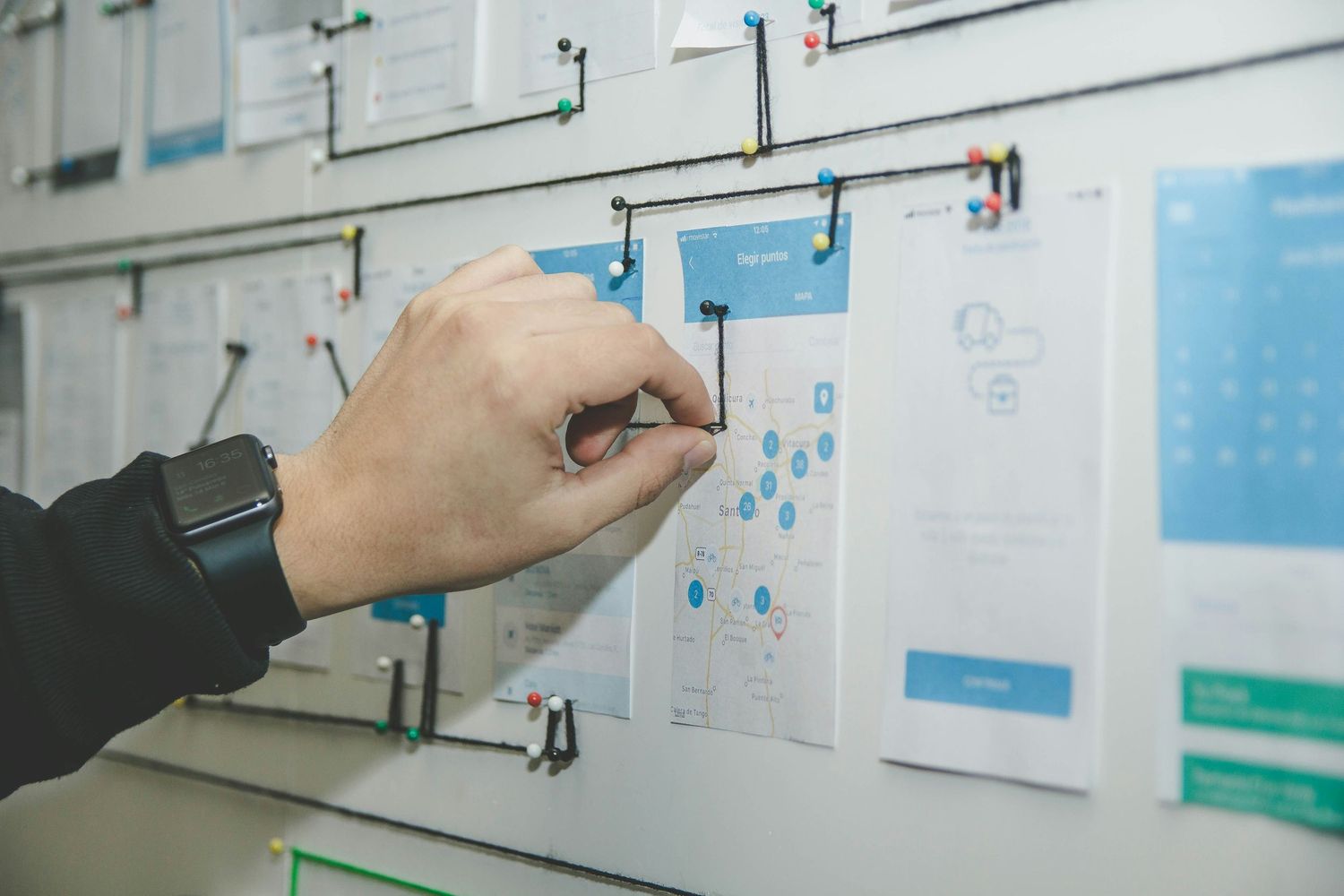
I work with my clients to help them develop a deep understanding of their audience and what actually moves them. This includes all public facing platforms, not just their web and social platforms that they work hard to manage. AI doesn't consider how these organizations are being perceived because it doesn't factor in the intended audience. But it will never tell you that instead generating something that sounds polished and confidently hand it to you as if it's strategy. There are many services online, powered by AI, that function the same way, producing content without intent. It's a mirror reflecting back whatever's already saturating the internet.
For nonprofits especially, this is dangerous. Your mission, your community impact, your donor relationships all rely on specific appeals to a well-targeted audience. And generic language flattens all of that into the same tone every other organization is using to ask for the same support.
For any brand this means your media, blog, case studies, impact stories, and all the things that felt like "extra" content a few years ago are exactly the kind of specific, credible material that's regaining relevance.
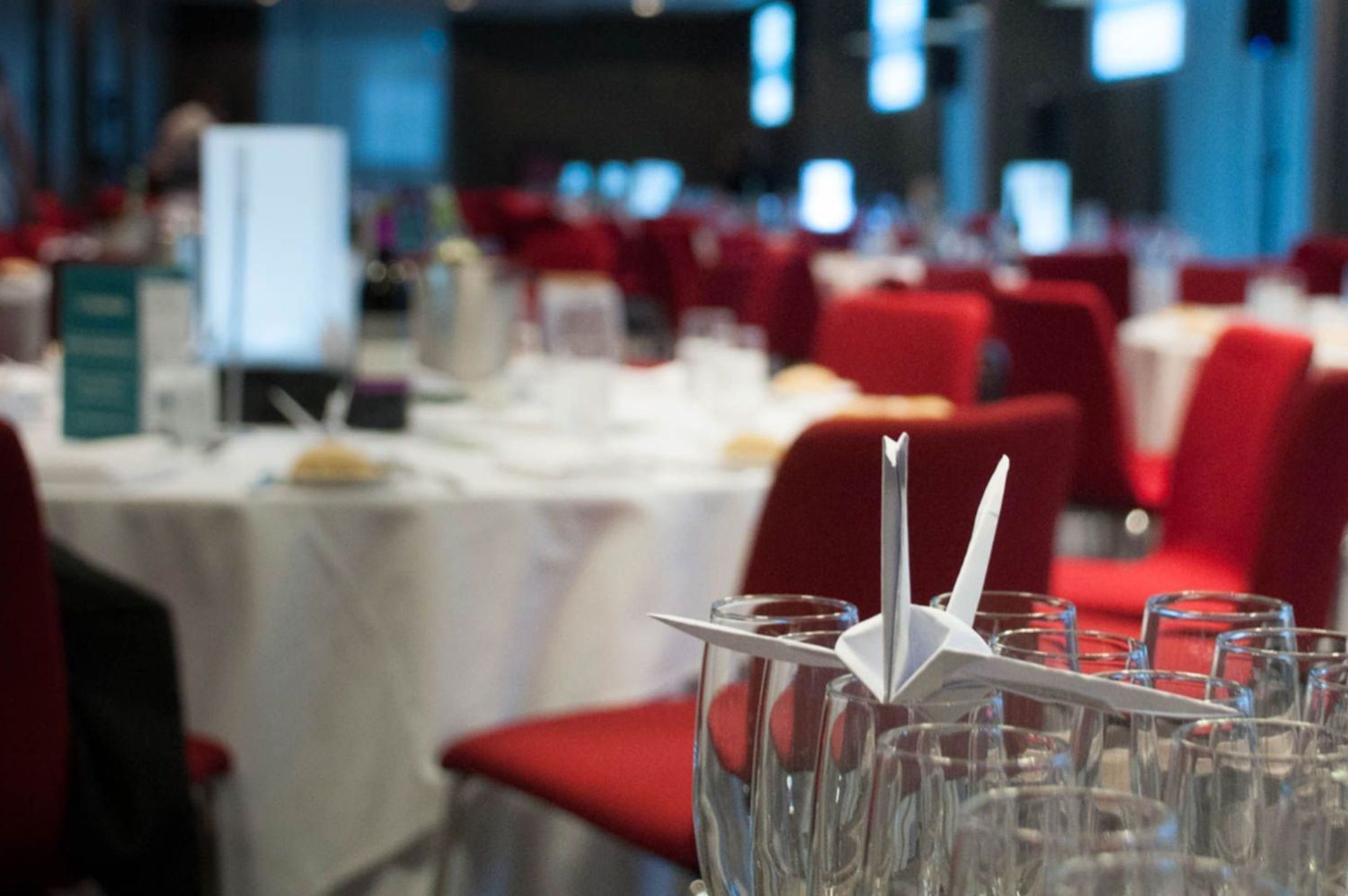
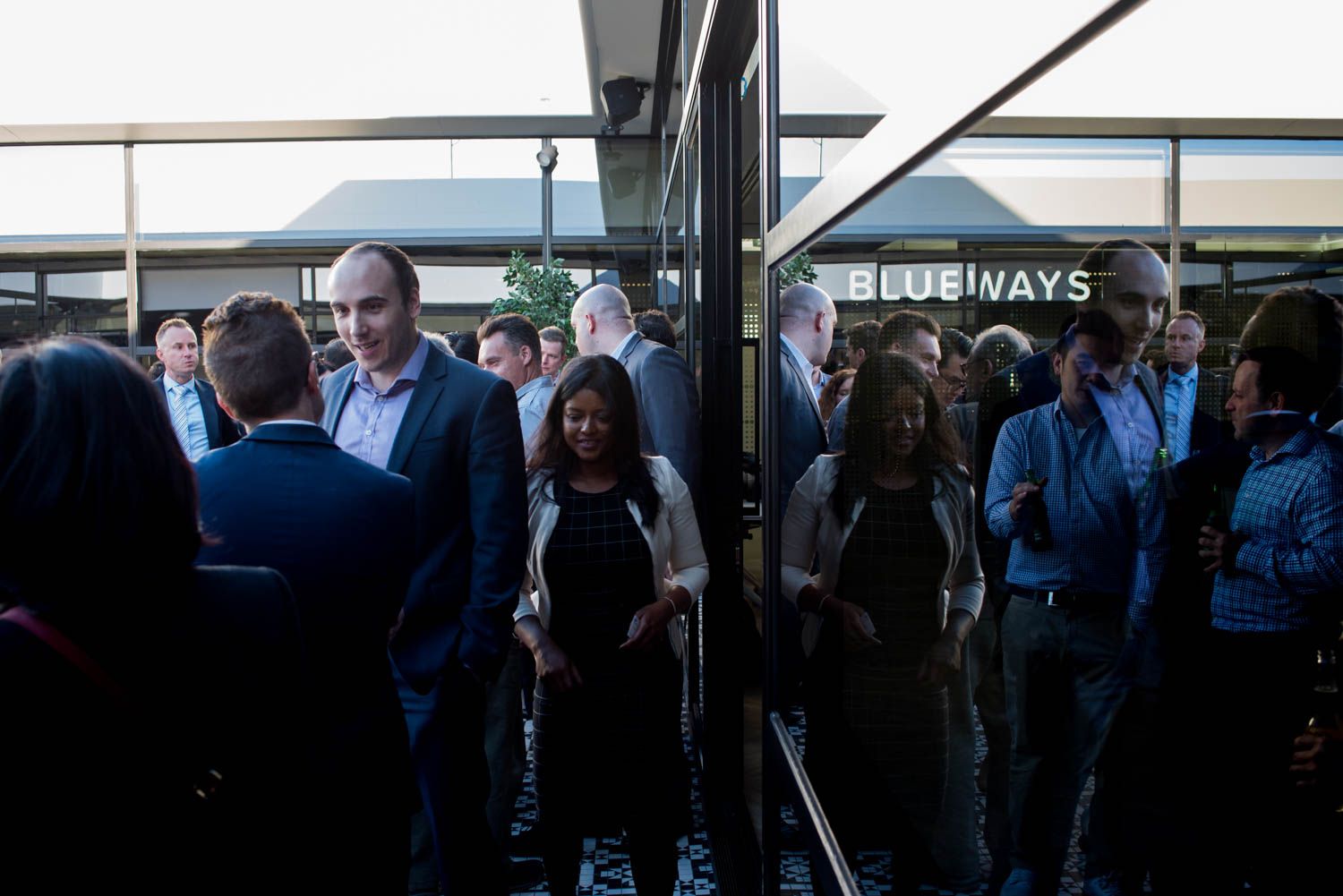
This is the one point that I feel most directly as a photographer and brand consultant: AI-generated visuals might save time, but they look like everyone else's AI-generated visuals. In premium or mission-driven spaces (such as nonprofit storytelling) anything where trust is the product, generic AI imagery can hurt conversion faster than having no image at all. Real photography of your actual space, your actual people, your actual impact signals something AI can't fake.
I never suggest that we abandon all AI tools. It's a call to be precise about what they're for and AI can help you draft faster, organize ideas, and execute at scale. What it cannot do is replace the specific, credible, human understanding of your audience, with your voice, and telling your story.
For the organizations I work with, that's the work itself: getting clear on the message before any tool touches it, and backing that message with real photography and real storytelling that nobody else can replicate. That's not a nostalgic stance but is quickly becoming the competitive one.
Do you want help getting your messaging and visual brand this clear? That's exactly the kind of work I do with nonprofit and corporate clients so let's talk today.